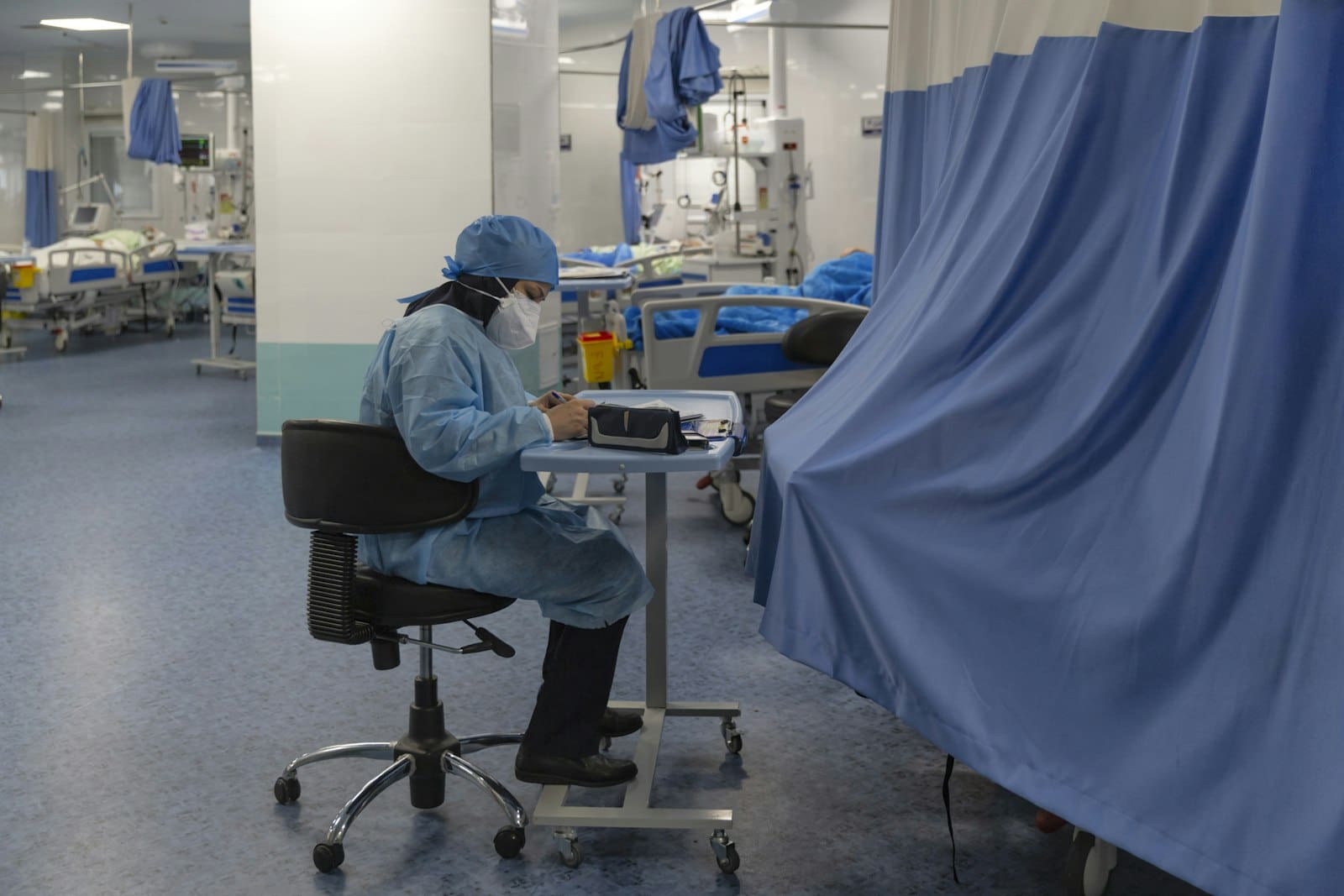
There’s a part of nursing people don’t always see.
Not the physical work.
Not the charting.
Not even the long hours.
It’s the constant mental load.
Remembering which patient needed pain medication reassessed.
Remembering who was waiting for transport.
Remembering the family conversation from three hours ago.
Remembering the discharge plan, the labs that still need follow-up, the dressing change due at 1400, the provider you still need to page back.
And somehow, nurses are expected to carry all of that while staying calm, organized, compassionate, and fast.
The Hidden Weight of Task-Switching
A lot of nurses walk into a shift already mentally preparing to juggle interruptions every few minutes. Admissions happen. Priorities change. A patient suddenly declines. Someone needs help in another room. A discharge gets pushed up unexpectedly.
You can be in the middle of one task while mentally tracking ten others.
That kind of constant task-switching is exhausting.
Sometimes the hardest part of a shift isn’t even the workload itself. It’s the pressure of trying not to forget anything important while everything around you is moving at once.
Why Organization Matters So Much in Nursing
That’s why organization matters so much in nursing.
Not because nurses are disorganized.
Not because they “need better time management.”
But because bedside nursing requires an incredible amount of mental coordination.
Good systems help reduce that burden.
Whether it’s a report sheet, a checklist, writing things down throughout the shift, or using tools that help keep information in one place, the goal is the same: reduce the amount your brain is trying to carry alone.
A Note as Mental Health Awareness Month Closes
As Mental Health Awareness Month comes to a close, we just wanted to say this:
If you’ve felt mentally drained after a shift, there’s a reason.
Nursing requires constant attention, prioritization, emotional regulation, and decision-making, often all at the same time.
That weight is real.
And nurses deserve support systems that actually support the way they work.
Designed for the way nurses actually provide care.